How Long to Become2-4 years
Degree RequirementsADN or BSN
Average Annual Salary$65,466
Forensic nurses are vital to law and healthcare. They are trauma-informed healthcare professionals who treat crime survivors and collect evidence to assist in prosecuting criminals. For example, in providing care for a domestic violence survivor, a forensic nurse takes notes of the patient's condition, gathers evidence, provides care and emotional support, and communicates with legal professionals.
Forensic nursing may be right for you if you want a career helping survivors through the justice system. Learn more about what forensic nurses do, the required education, and typical salaries.
Popular Online Nursing Programs
Learn about start dates, transferring credits, availability of financial aid, and more by contacting the universities below.
What Does a Forensic Nurse Do?
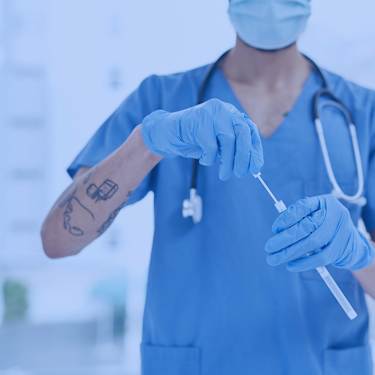
Forensic nurses are trauma-informed healthcare professionals who work with survivors of neglect and intentional harm, like intimate partner violence and sexual crimes. They treat injuries inflicted upon the survivor, collect biological evidence, provide emotional support while they're treating their patients, and testify in court.
In supporting survivors in their medical needs and representing their situation within the justice and medical systems, forensic nurses also often participate in social justice and equity concerns.
Although they often work with survivors, they collect evidence from perpetrators, too. Other situations requiring their services include mass disasters and death investigations.
They provide some emotional support and insight into court proceedings but remain within their practice scope. They are not to be mistaken for therapists, lawyers, and other experts working on the case.
PeopleImages / iStock / Getty Images Plus
Key Responsibilities
Dressing wounds
Administering medication
Collecting evidence
Testifying in court
Educating patients and families on the physical healing process
Career Traits
Trauma-informed care
Patient advocacy
Active listening
Legal knowledge
Where Do Forensic Nurses Work?
Most forensic nurses work in hospitals, community anti-violence programs, and medical examiners' offices. As the demand for these specialized nurses increases, career opportunities expand in other settings, such as psychiatric clinics, correctional facilities, and emergency government services.
Hospitals
Hospital-based forensic nurses document injuries and gather evidence from survivors of trauma They're often the first, after police officers, to respond to individuals experiencing unprecedented emotional and physical distress. Those with SANE certification treat sexual assault survivors and file reports to police and protective services agencies.
Community Anti-Violence Programs
These programs provide vital services to the vulnerable, including survivors of gang violence, domestic abuse, and sexual assault. They may assist immigrants and refugees exploited in sex trafficking rings or dangerous work settings.
Medical Examiners' Offices
Nurses employed as forensic examiners investigate causes of death, assist in autopsies, and collect evidence from corpses, clothing, and the crime scene.
Why Become a Forensic Nurse
Forensic nurses integrate healthcare and criminal justice training into one specialized career. While the constant exposure to other people's trauma can also take its toll on the nurse, the field offers nurses considerable personal and professional satisfaction.
Advantages of Becoming an RN
Helping survivors attain justice
Helping survivors take the first steps toward surviving
Using a wide spectrum of nursing skills
Accessing a variety of work environments
Disadvantages of Becoming an RN
Vicariously experiencing trauma
Navigating tense situations
Feeling the Pressure to identify and document minute details
Needing to respond to emergencies in the middle of the night
How to Become a Forensic Nurse
The first step in becoming a forensic nurse is earning a nursing license. You need either a two-year associate degree in nursing (ADN) or a four-year bachelor of science in nursing (BSN) to practice. Which degree is right for you depends on your background and career goals. After you graduate, you must take the NCLEX-RN to apply for a state nursing license and become a registered nurse (RN).
While not legally required to practice as a forensic nurse, additional certification is valuable. State boards of nursing or local municipalities may have additional requirements, especially for certain types of forensic nursing.
According to the International Association of Forensic Nurses, most forensic nurses start as sexual assault nurse examiners (SANE). This requires specialty classroom education and clinical training. You can earn SANE-A certification in examining adults and adolescents or SANE-P certification in examining pediatric patients after completing 40 contact hours of didactic SANE training.
The American Institute of Health Care Professionals also offers a forensic nurse specialist certification, which requires 230 contact hours of continuing education in forensic nursing and a valid RN license.
Forensic Nurse Concentrations and Specializations
All forensic nurses provide medical care, are the first to support survivors, collect biological evidence, and share their findings in court. Below are ways in which forensic nurse subspecialties differ.
Sexual Assault: Sexual assault nurse examiners (SANE) assess survivors of sexual crimes with a witness present, report their findings and treat the patients' injuries. Their findings may impact the medical care necessary to address physical injuries inflicted by the perpetrator. They may help connect survivors to social workers and other resources to navigate the justice system.
Death Investigation: Nurse coroners assist with autopsies. They help determine the cause and timing of death and whether there was foul play.
Physical Abuse of Children, Spouses, or Older Adults: Depending on the patient population, these nurses assist non-medical professionals with taking the next steps in patient care. This includes transfers to alternative geriatric facilities, foster care, or domestic violence shelters.
How Much Do Forensic Nurses Make?
According to the Bureau of Labor Statistics, the median annual wage for all registered nurses is $93,600, and the median hourly wage is $45. According to ZipRecruiter, forensic nurses make a median of $31 an hour.
Salary may vary based on your location, facility, and experience. The highest-paying states for registered nurses are California, Hawaii, Oregon, Washington, and Massachusetts.
The BLS projects that registered nursing jobs will grow 5% from 2024 to 2034, which is faster than the average for all occupations.
Frequently Asked Questions About Forensic Nurses
Forensic nurses provide medical care to survivors and perpetrators of violence, collect biological evidence for the investigation, and testify in court. They also offer emotional support to their patients and families.
